How Memory Foam in Futons Impacts Sleep Ergonomics: A Guide to Comfort, Support, and Care
Explore how memory foam components influence support and pressure relief in futon-style furniture. This guide covers material density, ergonomic benefits, and practical care tips to maximize longevity and comfort.
In the quiet algebra of a good night’s rest, memory foam acts as a translator between weight, contour, and spinal alignment. When memory foam migrates from a bedroom mattress into the convertible theater of a futon, the implications for ergonomics—how we sit, lie, and wake—expand beyond softness into sustained posture, breathability, and long-term health. This article weaves together material science, design sensibility, and care routines to chart a practical path for readers who want to understand what memory foam brings to futon-style furniture and how best to treat it.
A brief anatomy of memory foam in futons
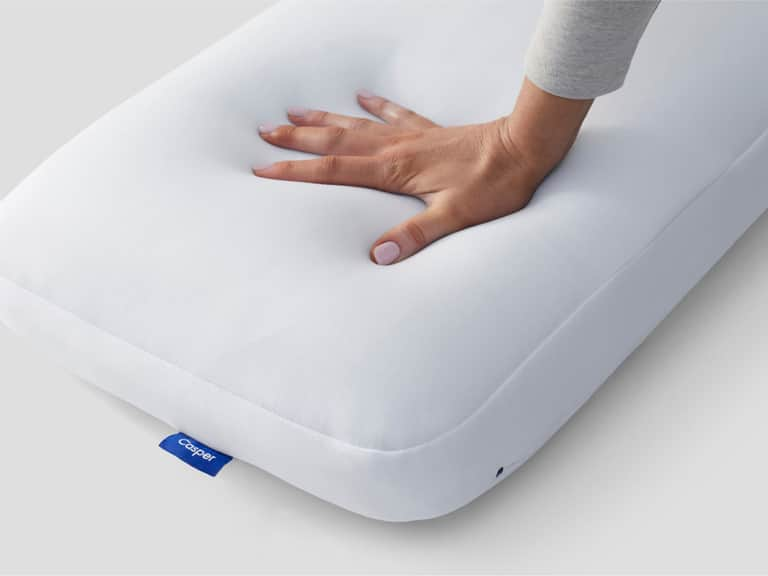
Memory foam—a polyurethane-based material with added viscosity—responds to heat and pressure. In a futon, its role can be layered: a comfort layer that kisses the surface to cradle shoulders and hips, paired with a firmer core that maintains structural integrity during conversions from couch to bed. The outcome is a surface that contours to the body, distributing pressure more evenly than a traditional foam or cotton-filled futon, potentially reducing localized stress points and aiding in spinal alignment when used correctly.
Two material metrics dominate the conversation: density and resilience. Higher-density memory foam tends to offer longer-lasting contouring and better pressure relief, but it can also feel firmer and heavier. Resilience describes how quickly the foam returns to its original shape after deformation. A balanced combination of density and resilience helps a futon feel comfortable without sagging under repeated use or transforming into a lumpy sleeper’s trapdoor over time.
Key factors to consider when evaluating memory foam futons
- Density and feel: Look for density ratings disclosed by manufacturers. Medium-density foams tend to offer a compromise between immediate comfort and long-term support, which is often ideal for futons used in guest rooms or multipurpose living spaces.
- Layer configuration: A tri-layer or multi-layer arrangement can separate function: a soft top for pressure relief, a supportive middle, and a stabilizing base. In futons, the layering often doubles as both seating surface and sleeping foundation, so thoughtful distribution matters.
- Cover material and ventilation: Breathable covers—cotton blends, bamboo-derived fabrics, or moisture-wicking textiles—enhance comfort, especially in rooms with fluctuating temperatures. A cover that assists airflow helps reduce heat buildup under seated or sleeping loads.
- Temperature regulation: Some memory foams include cooling additives or phase-change materials. In a futon that sits uncovered in a living space, cooling features can mitigate the common heat entrapment that sometimes plagues memory foam.
- Durability and care: The life of memory foam in a futon depends on how well the cover and foam resist wear, moisture, and compressive cycles. Regularly rotating or flipping the surface can help maintain even wear.
The ergonomic promise: pressure relief and spinal alignment
Pressure relief is not a single metric but a suite of interactions among tissue, posture, and surface. Memory foam’s contouring can reduce high-pressure spots at the hips, shoulders, and knees by distributing weight across a broader surface. When a futon is used for sitting, the foam’s ability to conform to leg and thigh contours can translate to more stable seating without the familiar “mush” that accompanies low-density foams. For sleeping, a well-designed memory foam futon can help maintain neutral spine alignment, provided the futon’s base is supportive and the top layer does not overly sag in prone or side positions.
Ergonomic benefits are not universal, however. They depend on correct mattress-to-frame pairing, the user’s body type, and sleeping or seating habits. For someone with chronic back pain, a futon built around memory foam should be selected with care, perhaps with professional guidance or trials, and complemented with a proper pillow setup, mattress pad, or cot frame that preserves an even surface across the legs and torso.
A spectrum of comfort: practical care and maintenance
Protecting memory foam in a futon is as much about climate control as it is about cover care. Here are practical steps to maximize longevity and comfort:
- Use a removable, breathable cover that is easy to wash. This protects the memory foam from sweat, oils, and accidental spills while allowing air to circulate.
- Keep the futon out of direct sunlight. UV exposure can degrade foam over time, reducing elasticity and increasing the likelihood of cracks or surface hardening.
- Rotate or flip when feasible. In memory foam layers that are multiple inches thick, even wear helps preserve contour quality and prevent evening-out sagging patterns.
- Be mindful of heat buildup. In warmer climates or crowded living spaces, consider low-heat foams or cooling covers to mitigate the tendency for memory foam to retain heat.
- Address spills promptly. For liquids, blot gently with a clean cloth and air-dry; for stains, use mild cleaners according to the cover’s care instructions and avoid saturating the foam core.
Spotlight on a representative product: The One
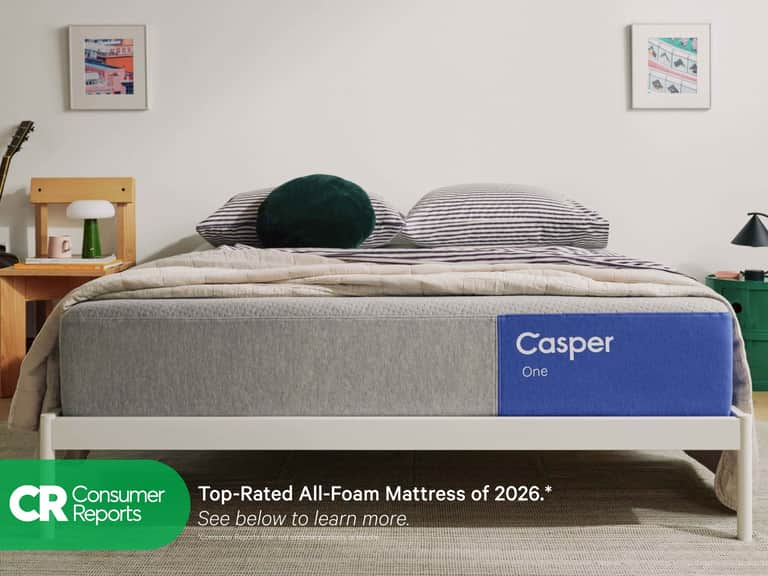
Within the memory-foam-inflected landscape, one product exemplifies the triad of comfort, support, and durability: The One. This three-layer foam mattress—though marketed as a traditional mattress—offers a useful reference point for how layered foam can balance contouring with resilience. In futon applications, readers can borrow principles from its design: a breathable top layer for temperature regulation, a structured middle layer for support, and a firmer base that anchors the system against night-to-day transformation.
The One’s construction emphasizes a responsive, medium-firm feel that remains forgiving under pressure, a texture desirable for a futon used in living spaces or guest rooms. It reminds designers and end-users to seek a surface that stays comfortable across varying body weights and sleep positions.
Product snapshot
The One
Three-layer foam with a breathable design, delivering a responsive, medium-firm feel. A practical reference for understanding layering and airiness in futon applications.
Price: $874.00
Original product note: The One is a standalone mattress; in this article, its layering principle informs futon design considerations rather than a direct cross-sell.
Three key voices across time: perspectives on comfort, posture, and craft
Hypnos of Antiquity (Ancient Greece)
In the sleep literature of antiquity, comfort was inseparable from ritual and posture. The bed was not merely a surface but a site of repose and moral clarity. The earliest inquiries into support—wood frames, woven mats, and simple cushions—foreshadowed modern ergonomics: the idea that the body deserves alignment and ease, not merely relief from pain.
Thomas Edison (Late 19th–Early 20th Century)
An era of innovation demanded materials that endure. Foam, in its distant foamy avatar, made room for experimentation with cushioning substances. Edison’s relentless curiosity—until the right composite emerged—echoes the modern quest for durable sleep surfaces: the balance between comfort, resilience, and repeatable performance under repeated use.
Modern Sleep Scientist: Dr. Amina Karim (Contemporary)
In current practice, researchers emphasize pressure maps, material science, and patient-reported outcomes. Dr. Karim’s work highlights how contouring materials interact with body weight distribution and sleep posture, underscoring why memory foam’s thickness, density, and surface texture must be tailored to the intended use—whether as a futon’s cushion or as a standalone mattress—so as to protect the spine and promote restorative sleep.
In dialogue with design: how to choose and care for memory foam futons
Choosing a memory foam futon is less about chasing the perfect density in isolation and more about assembling a balanced system. Consider a surface that integrates a comfortable top layer with a resilient base, all housed in a breathable cover. When evaluating options, test for firmness by sitting and lying—without assuming that a single metric will solve every comfort equation. For sleeping guests, a futon with a well-sealed cover and a removable, washable layer can dramatically improve hygiene and longevity.
Care is not glamorous but essential. Rotate cushions, refresh covers, and keep cushions away from direct heat sources. Over years, the memory foam’s memory will be a testament to the room’s habits: it will remember how you sleep, where you sit, and how often you flip the arrangement for even wear.
A brief glossary for memory foam futons
- Contour: The way foam molds to body shape, distributing weight to reduce pressure points.
- Density: The mass per unit volume of foam, often tied to durability and support.
- Resilience: The foam’s ability to return to its original shape after compression.
- Breathability: The capacity of the cover and foam system to allow air movement and moisture control.
- Cooling technology: Additives or phase-change materials designed to manage surface temperature.
Related product spotlight: Bailey Comfort Sleeper Mattress Protector
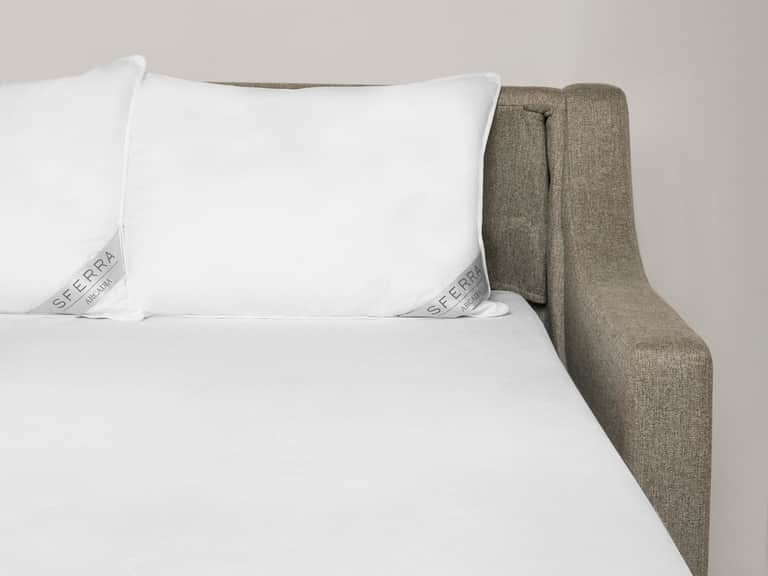
Even the most thoughtfully crafted memory foam futon benefits from a robust protective layer. The Bailey Comfort Sleeper Mattress Protector offers cotton terry with a waterproof finish and elasticized side walls for a secure fit on sofa-bed mattresses. While not a memory foam component itself, this protector is a practical complement to a memory foam-based futon system, guarding against spills and wear without adding bulk to the sleeping surface.
Price: $79.00
Product snapshot
Bailey Comfort Sleeper Mattress Protector
Elasticized fit, cotton terry with waterproof finish, machine washable. A pragmatic way to extend the life of a memory foam futon’s surface.
Closing thoughts: memory foam as a companion to rest
Memory foam in futons represents a pragmatic extension of ergonomic thinking into flexible living spaces. It invites readers to consider how contour, density, and care practices converge to shape not only nights but also days—how the body feels when transitioning from seated to sleeping, from socializing to solitude, from the living room to the guest room. The memory foam futon does not promise a flawless night for every sleeper, but it offers a thoughtful framework for comfort, backed by science, shaped by design, and tested by repeated use.
In the choreography of sleep, we are forever apprentices to material reality. A well-chosen memory foam futon—paired with mindful care and a nuanced understanding of personal needs—can become a quiet partner in the art of rest.