Memory foam pillows are designed to respond to body heat and pressure, conforming to the shape of the head and neck. This contouring can help distribute weight more evenly and support a consistent sleeping position. As part of bedding, they differ from traditional fiber-filled pillows in feel, structure, and how they retain their shape.
Loft, or pillow height, is an important feature when choosing among memory foam pillows. A higher profile may suit people who sleep on their sides and need space between the shoulder and head, while back and stomach sleepers may prefer a lower height. Personal comfort and mattress firmness also affect the support a pillow provides.
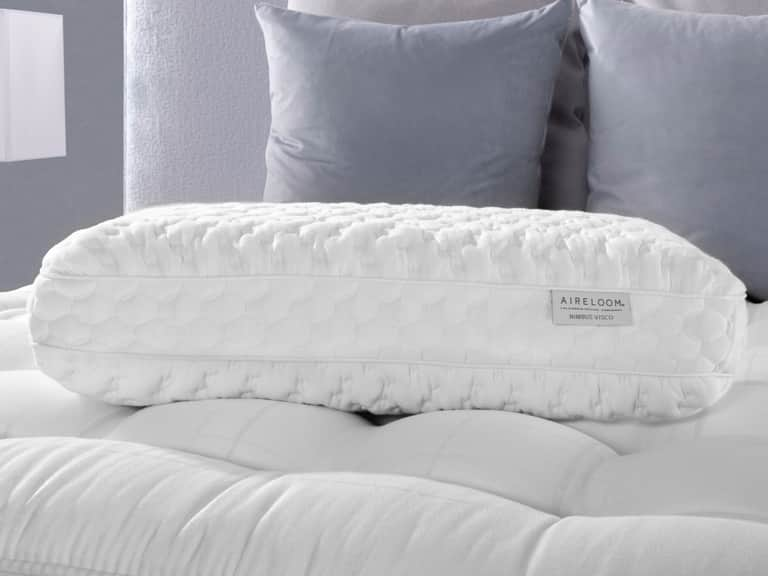
The Aireloom Nimbus Visco High Profile Pillow combines a high-loft design with viscoelastic memory foam. Its foam is intended to contour around the head and neck under pressure, while the elevated profile provides added height. These characteristics may be relevant to side sleepers or anyone who finds a low-profile pillow insufficient.
Memory foam pillows can be solid, molded shapes or contain shredded foam, and construction influences firmness, airflow, and adjustability. A pillow cover protects the foam and may be removable for care; following its cleaning instructions helps maintain the materials. Coordinating pillow dimensions with sheets and other bedding also supports a neat, comfortable sleep setup.
When comparing pillows, consider sleep position, loft, firmness, material sensitivity, and care requirements rather than relying on a single feature. Memory foam is a pillow material, not a substitute for a mattress, and preferences vary. People considering organic mattresses should assess their materials separately, since pillow construction and mattress composition are distinct bedding choices.
 Bedding